14 Sep 2026 - News
THE MEDICINAL PROPERTIES OF GHEE
Ayurveda has recognized the value of ghee for centuries, considering it a vital part of maintaining overall health and balance. From its anti-inflammatory effects to supporting digestive health, boosting the immune system, and enhancing brain function, ghee aligns with Ayurvedic principles of holistic well-being. When used mindfully and in moderation, ghee can be a valuable addition to your diet, contributing to your overall health, just as it has for generations in Ayurveda.
What is Ghee?
Ghee is a form of clarified butter obtained by simmering unsalted butter. During this process, the water content evaporates, and the milk solids separate from the pure butterfat. What remains is a golden, translucent liquid with a nutty flavor. Ghee is revered for its high smoke point, making it ideal for cooking, but its medicinal properties are equally fascinating.
Nutritional Composition of Ghee
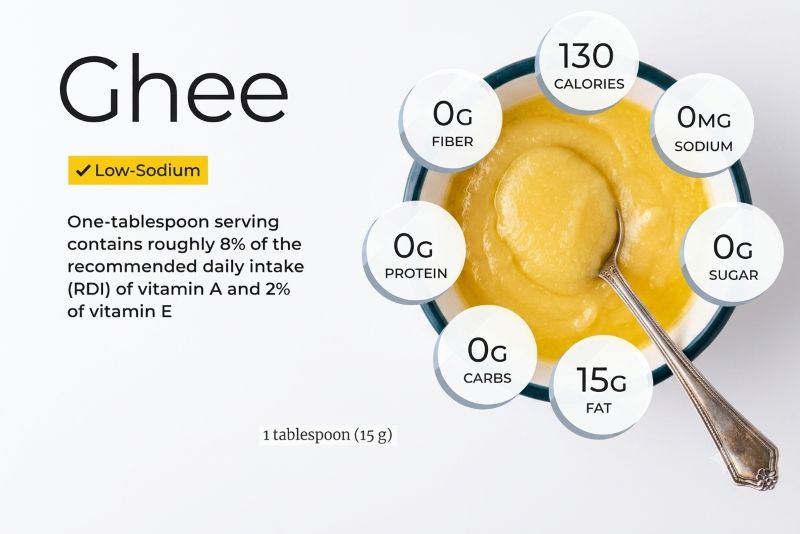
Before we explore the medicinal properties of ghee, it is crucial to understand its nutritional composition. Ghee is rich in healthy fats, vitamins, and minerals.
- Saturated FatGhee contains saturated fats, including short-chain and medium-chain fatty acids, which are easily digestible and provide a quick source of energy.
- VitaminsIt is a good source of fat-soluble vitamins such as A, E, and K. These vitamins play a crucial role in various bodily functions.
- MineralsGhee contains essential minerals like calcium, phosphorus, and magnesium, which are important for bone health.
Medicinal Properties of Ghee
Ghee contains butyric acid, a type of short-chain fatty acid known for its anti-inflammatory properties. Butyric acid helps reduce inflammation in the digestive tract and may offer relief to those with inflammatory bowel conditions.
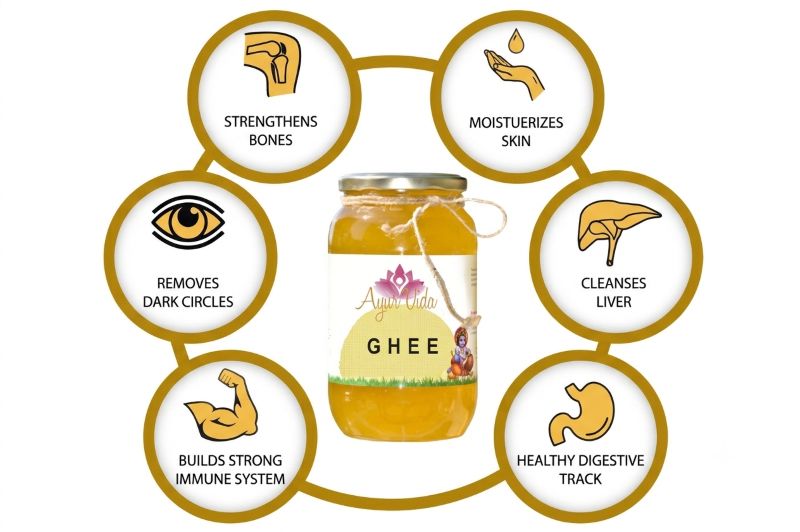
In Ayurvedic medicine, ghee is considered a digestive aid. It lubricates the digestive tract and promotes the absorption of nutrients. Consuming a teaspoon of ghee before meals can help improve digestion and alleviate symptoms like bloating and constipation.
Ghee is packed with antioxidants that help strengthen the immune system. It contains compounds like conjugated linoleic acid (CLA) that exhibit immune-boosting properties, protecting the body from infections and illnesses.
The omega-3 fatty acids in ghee support brain health and cognitive function. Regular consumption of ghee may help enhance memory, focus, and overall mental well-being.
Ghee is not just for internal health. It can be used topically to moisturize the skin and promote a healthy, radiant complexion. When applied to hair, ghee helps improve texture and shine.
While both have their merits, ghee's higher smoke point and lower lactose content make it a better choice for those with dairy sensitivities.
How to Incorporate Ghee into Your Diet
Incorporating ghee into your diet is simple. It can be used as a cooking oil, or as a flavorful addition to dishes. It is also a popular ingredient in many Indian recipes. Just remember to use it in moderation, as it is calorie-dense.

Frequently Asked Questions
Yes, ghee is generally well-tolerated by lactose-intolerant individuals because the milk solids responsible for lactose have been removed during the clarifying process.
Ghee is calorie-dense, so it should be consumed in moderation. However, the healthy fats in ghee can help control appetite and support weight management when used in a balanced diet.
When consumed in moderation, ghee can be part of a heart-healthy diet. It contains healthy fats that may help improve cholesterol profiles.
Ghee should be stored in an airtight container at room temperature. It has a long shelf life and does not require refrigeration.
Ghee is a dairy product and, therefore, not suitable for vegan cooking. Vegan alternatives like coconut oil or plant-based margarine can be used instead.

CONTACT US
PHONE:
619-291-6614
TEXT:
619-376-6733
ADDRESS:
1611 West Lewis San Diego CA 92103