22 Mar 2024 - News
Astringent Foods: A Step-by-Step Guide to Overhaul Your Diet
A comprehensive guide to help you incorporate astringent foods into your diet. Find out the benefits, types, and delicious ways to include them in your meals.
What are Astringent Foods?
Astringent foods are the ones that make your mouth feel dry, roughening, and puckery. Astringency in foods is caused by compounds known as polyphenols (in tea), tannins (in wine), and catechins (in chocolate). These substances can tone tissues, cleanse mucus membranes, absorb excess moisture to help bind stool, improve absorption in the gut wall, and more.
Why are Astringent Foods Important?
Astringent foods are known for their distinct and varied health benefits. These foods, which leave your mouth dry and puckered, have lots of polyphenols, tannins, and catechins: compounds that offer antioxidant and anti-inflammatory effects. The Ayurveda diet heavily relies on astringent tastes to balance energies within the body. It helps your overall health by lowering mucus levels, fighting off congestion, and toning tissues.
On top of all this, these foods can tighten tissues in your stomach, which helps get rid of toxins in your body and provides healthy skin and hair. They also have a way to ground both physically and mentally, minimizing excessive qualities like sweetness and heaviness. Adding astringent foods to your daily menu can increase immunity levels, find balance in doshas (bodily energy), aid digestion efficiency, and improve overall well-being.
Benefits of Astringent Foods
- Improved DigestionBy toning up the digestive system, nutrients are more easily absorbed and problems like bloating or indigestion can be avoided.
- Oral HealthThe puckering sensation helps produce saliva in the mouth, which cleanses the mouth and prevents bacteria growth and decay.
- Skin HealthThe tightening effect can reduce pore size and keep oil production regular, beneficial for those with oily or acne-prone skin.

Types of Astringent Foods
How to Incorporate Astringent Foods in Your Diet
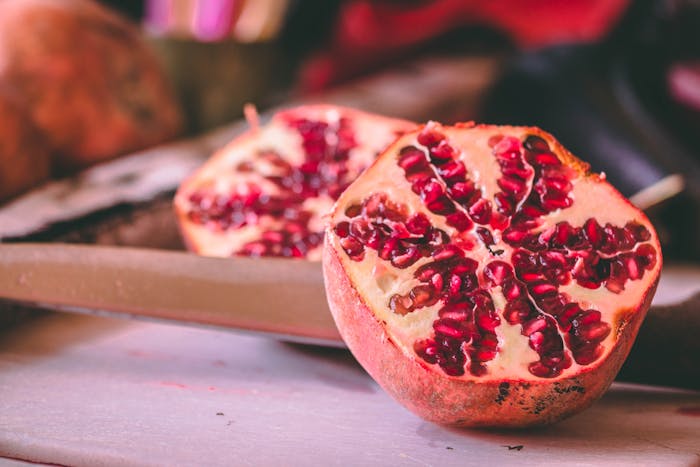
- Add fruits to your daily routine: Start your day with an apple or throw berries in a breakfast smoothie. Slice pomegranates into pieces or enjoy a grapefruit during lunch.
- Creative vegetable recipes: Roast Brussels sprouts or put together a tangy vinaigrette for your spinach salad. Also try incorporating bitter greens into soups and stir-fries.
- Herbal teas and infusions: Green tea and chamomile are refreshing and have the same drying yet beneficial effect. Sip them throughout the day.
Potential Risks and Precautions
- Overconsumption: Eating too much can lead to dryness or irritation of the mouth. Moderation is key when working these foods into your meals.
- Allergies: If you notice any negative reactions after consuming specific fruits like apples or berries, consult a healthcare provider promptly.
FAQs
While they offer benefits, overeating these types of food can cause unpleasant side effects such as dryness or irritation in the mouth and discomfort while digesting. It's important to eat moderately and pay attention to any allergic reactions.
Typically, astringent-tasting food can be bitter, sour, or puckering. When consumed, it will leave your mouth feeling dry or tight. Foods high in tannin content are also good indicators of their astringent properties.

CONTACT US
PHONE:
619-291-6614
TEXT:
619-376-6733
ADDRESS:
1611 West Lewis San Diego CA 92103